How Dr. Shahab Diagnoses Jaw Pain and Bruxism
Dr. Shahab does not recommend a nightguard based on symptoms alone. She starts with a full exam and records.
- History — Dr. Shahab asks about your symptoms, health, and sleep. This includes snoring, morning headaches, and daytime tiredness.
- Exam — Dr. Shahab checks your teeth, bite, jaw movement, jaw joints, and the muscles of your head and neck.
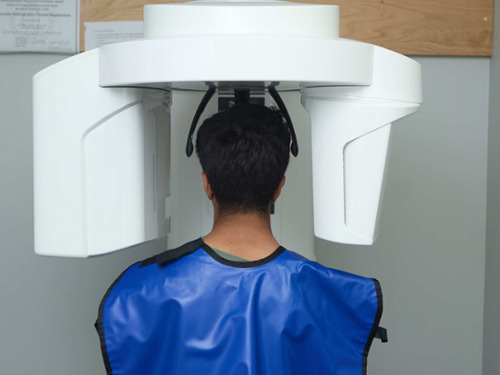
- Imaging — CT or CBCT scans may be used to view your jaw joints.
- Kois Deprogrammer — This small device temporarily relaxes your jaw muscles. It helps Dr. Shahab see whether your symptoms come from the muscles, the joints, or the bite.
No single test can diagnose every TMD case. When needed, Dr. Shahab refers you to a physician, sleep specialist, physical therapist, or orofacial pain specialist.
TMJ Treatment Individualized for Your Needs
Dr. Shahab starts with the most conservative approach. Your plan may include:
- Custom Nightguard — A nightguard protects your teeth from grinding. It does not stop grinding or cure TMD.
- Kois Deprogrammer — This device may help relax overworked jaw muscles.
- Physical Therapy or Jaw Exercises — These can improve jaw movement and ease muscle pain.
- BOTOX® — For some patients, BOTOX can relax overactive jaw muscles. Effects are temporary and last about three months.